Tools and Delivery
How work is handed over, the tools we work in, including LiDAR QA on MCAP data as used with Foxglove, and how quality is checked.
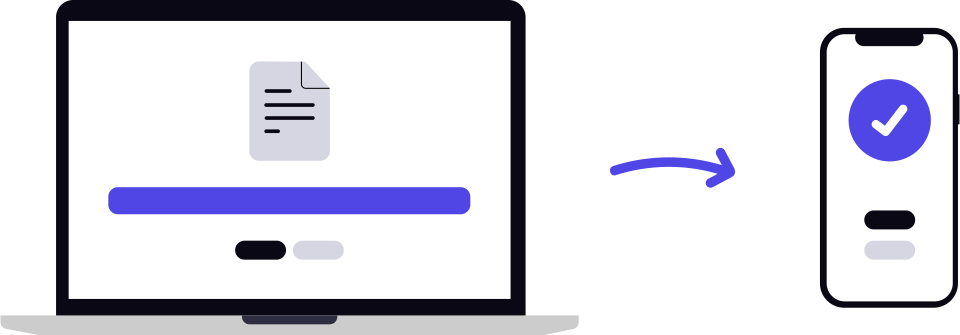
How work is handed over

Each project moves through four steps:
- Scope: we agree the task, taxonomy, acceptance criteria and data-handling terms with you.
- Receive: the data is shared in the way we agree, in your platform or by an agreed transfer method.
- Produce and review: annotators and reviewers work through the volume.
- Export: the finished labels are checked and returned in the agreed format.
Abelling is a managed service: there is no self-serve product or public API. You work with a team, not a dashboard.
Tools we work in

We work in the tools our clients use, including:
- Encord
- Roboflow
- CVAT, including private instances
- Supervisely
- Darwin (V7)
These are third-party or client platforms; we do not present them as our own tooling. If your team uses a different platform, tell us in your brief and we will confirm whether we can work in it.
LiDAR, MCAP and Foxglove

We have hands-on experience of LiDAR QA and correction with data in the MCAP format as used with Foxglove, alongside other client and third-party tools. That includes reviewing existing point-cloud labels, correcting errors and keeping labels consistent with camera data. See Autonomous vehicles and robotics.
Outputs and formats

Labels are exported in the format agreed for your project, typically the native export of the platform used, and transferred by the method agreed with you. The format is fixed during scoping, so the handover holds no surprises.
Quality method

Production runs with review built in. On many projects this is two-tier review; where needed we add dedicated QA and senior sign-off, as on our queue head detection programme. See How We Work.
Request a Project Quote

Want to check tooling compatibility on a real project? Tell us your platform, your data formats and any MCAP or Foxglove requirements, and we will confirm how we would work with them.